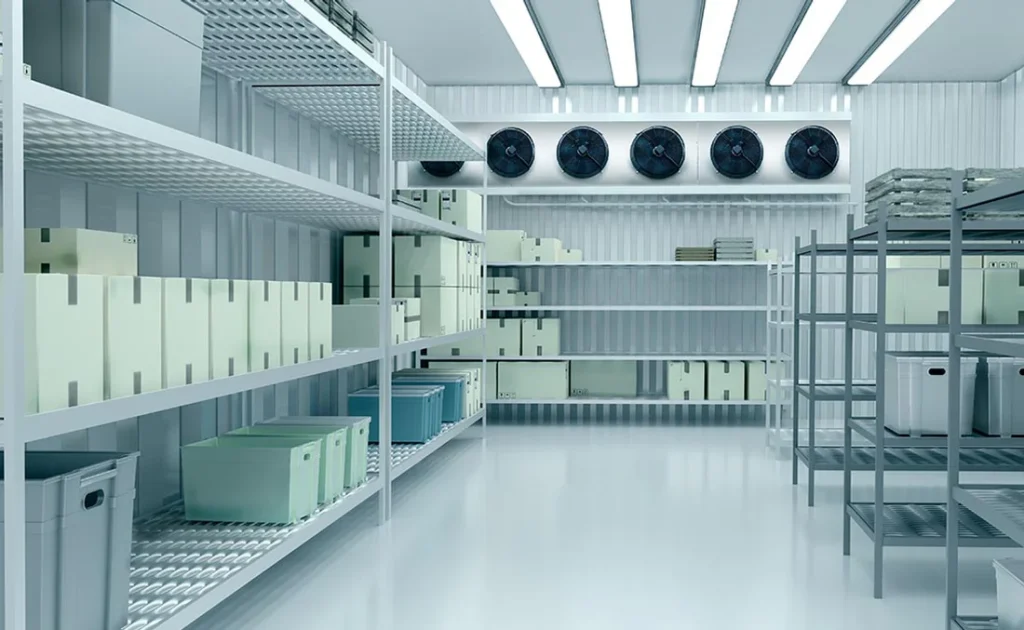

Plasma flash freezers (specialized low-temperature units operating below -30°C) are critical for blood banks and biopharmaceutical facilities. Ensuring their reliable operation is essential for product quality and safety.
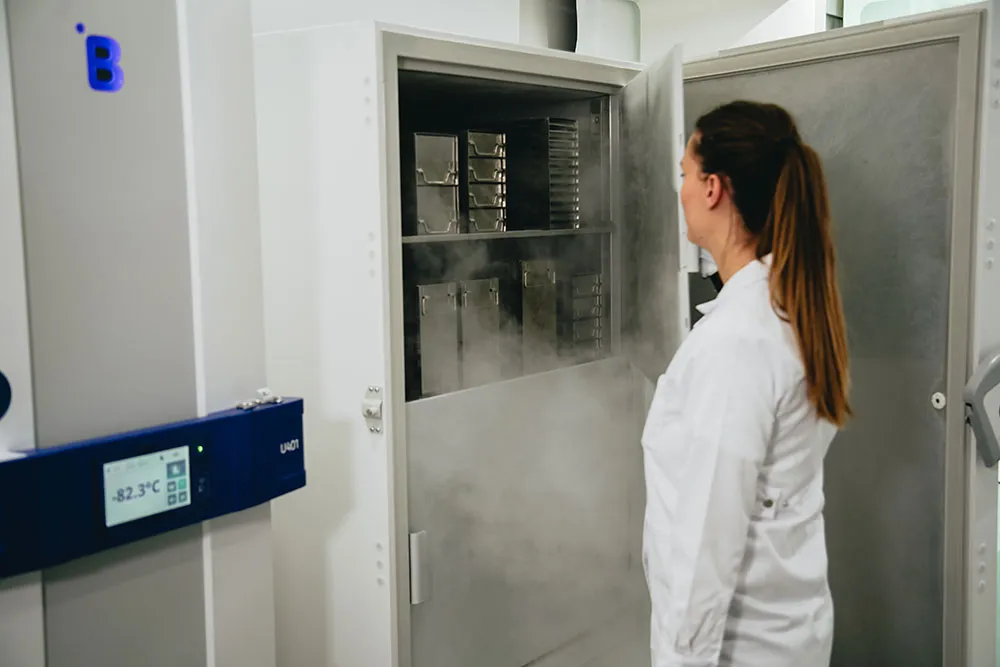
1. Core Temperature Failure
- Issues: Inability to reach setpoint (-35°C or higher), excessive fluctuation (>±5°C), poor temperature uniformity.
- Solutions:
- Install dual-compressor/redundant cooling systems.
- Use independent multi-point temperature monitoring with 24/7 cloud alarms.
- Conduct annual temperature mapping (empty/loaded) to identify hot/cold spots.
- Implement strict door-opening protocols (≤90 sec, air curtains).
2. Defrost Management Problems
- Issues: Evaporator frost buildup reduces efficiency; temperature spikes during defrost risk thawing.
- Solutions:
- Adopt smart defrost (triggered by time + temperature + pressure).
- Use staggered defrost cycles for multiple evaporators.
- Install heated drain lines to prevent ice blockage.
- Set defrost temperature limits (e.g., alarm if >-25°C during defrost).
3. Equipment Reliability
- Issues: Compressor failure, aging electrical components, lack of preventive maintenance.
- Solutions:
- Preventive maintenance schedule:
- Daily: Check logs and alarms.
- Monthly: Clean condensers, inspect door seals.
- Quarterly/Annually: Professional servicing.
- Maintain critical spare parts inventory (sensors, controllers).
- Sign annual maintenance contracts with suppliers.
- Preventive maintenance schedule:
4. Power & Emergency Preparedness
- Issues: Power outages cause rapid temperature rise; voltage fluctuations damage compressors.
- Solutions:
- Dual power feeds from separate substations.
- UPS for control/alarm systems (2-4 hour backup).
- Auto-start diesel generator (≤60 sec switchover).
- Conduct regular power failure drills.
5. Alarm System & Human Response
- Issues: Alarm fatigue, delayed response during off-hours, vague alert messages.
- Solutions:
- Multi-level, multi-channel alarms:
- Level 1 (Warning): Local sound/light.
- Level 2 (Critical): SMS/call/app alerts to ≥3 staff.
- Level 3 (Emergency): Auto-activate contingency plans.
- Use IoT remote monitoring platforms for real-time access.
- Establish response SOPs (e.g., on-site within 60 minutes).
- Multi-level, multi-channel alarms:
6. Daily Operations & Documentation
- Issues: Poor plasma stacking blocks airflow; inefficient FIFO rotation; incomplete records.
- Solutions:
- Enforce storage layout rules (≥30 cm from walls/outlets).
- Integrate with inventory management software for FIFO tracking.
- Incorporate freezer management into quality systems (e.g., ISO15189) with full audit trails.
Core Philosophy
Treat the plasma flash freezer as a life-support system, not just cooling equipment. Success depends on:
Full traceability of all temperature data and operations.
Redundancy in power, cooling, and monitoring.
Prevention via proactive maintenance and validation.
Uninterrupted monitoring with independent sensors.
Zero-delay response through robust alarms and drills.